
Non Woven Bag GSM Explained: 60 vs 80 vs 110 GSM, and Which to Choose for Your Shop
GSM is the weight of the fabric in grams per square metre — the higher the number, the thicker and stronger the bag. For carry bags, 60 GSM is light and economical, 80 GSM is the everyday standard for clothing and general shops, and 110 GSM is a heavy, premium fabric for bags that are meant to be reused for months. By law, a non woven carry bag in India cannot be lighter than 60 GSM.
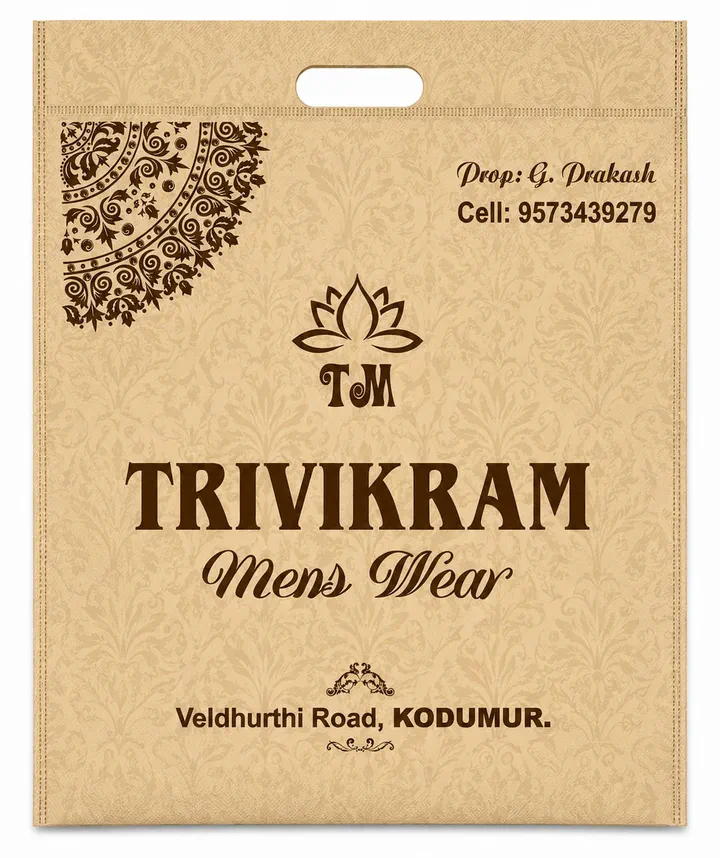
What GSM actually measures
Non woven fabric is sold by weight. GSM — grams per square metre — tells you how much one square metre of the fabric weighs. A square metre of 80 GSM fabric weighs 80 grams; the same square metre at 110 GSM weighs 110 grams, because there is more material in it.
More material means a bag that is thicker, stiffer, stronger at the handle and seams, and less see-through. It also means more fabric per bag, which is why GSM affects the price.
60 vs 80 vs 110 GSM at a glance
| 60 GSM | 80 GSM | 110 GSM | |
|---|---|---|---|
| Feel | Light, soft | Firm, everyday | Thick, stiff, premium |
| Strength | Light loads | Clothing and general goods | Heavy and bulky goods |
| See-through | Slightly | Barely | No |
| Reuse | A few times | Many times | Months of regular use |
| Bags we make in it | U-cut bags | D-cut and handle bags | Stitched, digital and BOPP bags |
| Typical shops | Bakeries, sweet stalls, medical shops, kirana counters | Textile, footwear, mobile and general stores | Saree and jewellery showrooms, gift and wedding orders |
The legal minimum: 60 GSM
Since 30 September 2021, India’s Plastic Waste Management rules require non woven carry bags to be at least 60 GSM. Anything lighter is not allowed as a carry bag.
It is also a false saving. Fabric under 60 GSM is thin enough to see through and tears at the handle, so the bag fails in front of your customer — with your shop’s name on it. All our non woven bags are 60 GSM or heavier.
Source: Plastic Waste Management (Amendment) Rules, 2021, Gazette of India notification G.S.R. 571(E), 12 August 2021, rule 4(1)(j): “non-woven plastic carry bag shall not be less than 60 Gram Per Square Meter (GSM) with effect from the 30th September, 2021.”
How GSM affects the price
Most non woven bags are priced per kg, so a heavier fabric does not always mean a higher rate per kg — but it always means fewer bags in each kg.
As a rough guide for an 80 GSM D-cut bag, working from the fabric alone (two layers, ignoring the handle cut-out and the ink):
| Size | Fabric per bag | Bags per kg (approx.) | Cost per bag at ₹255/kg |
|---|---|---|---|
| 10 × 14 in | ~14.5 g | ~69 | ~₹3.70 |
| 12 × 18 in | ~22 g | ~45 | ~₹5.70 |
| 16 × 20 in | ~33 g | ~30 | ~₹8.40 |
These are estimates — the exact count depends on the cut and the print, so ask us for the pieces per kg in your size. The same 12 × 18 bag at 60 GSM would weigh about a quarter less, which is where the saving on lighter fabric comes from.
Heavier 110 GSM bags with side panels are priced per bag instead. A 16 × 18 inch stitched digital bag with side panels weighs about 70 grams — more than twice an 80 GSM D-cut of the same size — and costs ₹18.50 to ₹26.50 depending on the side-panel width and order value.
Rates as published on 10 October 2026, ex-factory, for 50% advance, before GST and freight: 60 GSM U-cut ₹260–₹280/kg · 80 GSM D-cut ₹245–₹266/kg · 80 GSM handle ₹265–₹286/kg · 110 GSM stitched ₹11.50–₹28 per bag · 110 GSM digital ₹13–₹29.50 per bag. See today’s rates →
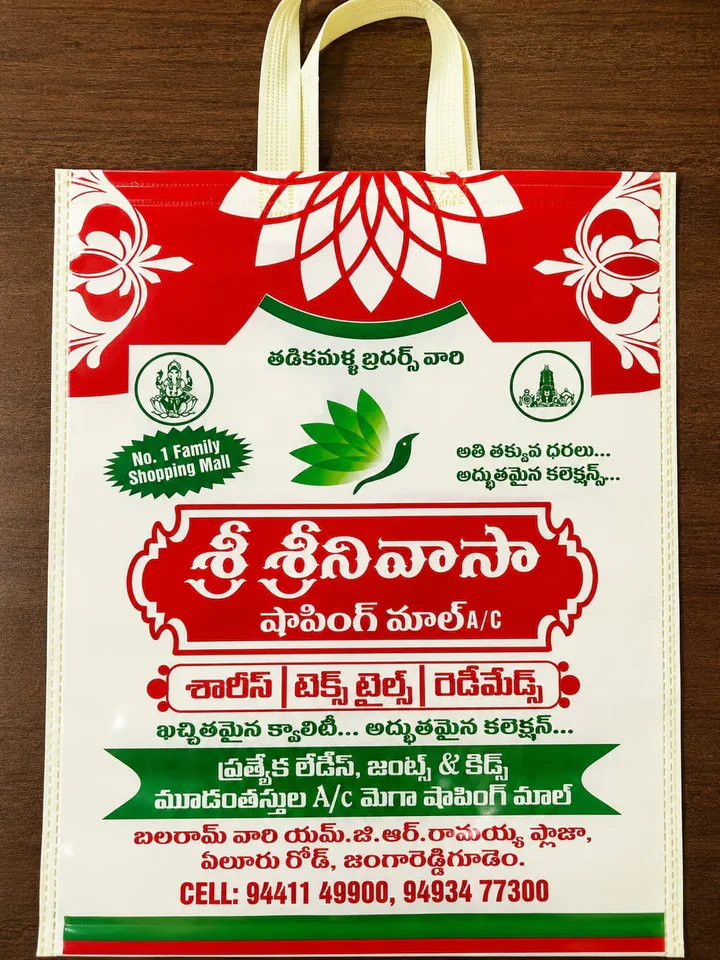
Which GSM for your shop
- Bakery, sweet shop, medical shop, kirana counter: 60 GSM U-cut. The goods are light, the bag is used once or twice, and the low cost per bag matters most.
- Clothing, footwear, mobile and general stores: 80 GSM D-cut or handle bag. Strong enough for a shirt, a pair of shoes or a box, at a price that suits everyday billing. Choose a handle bag over a D-cut for heavier items.
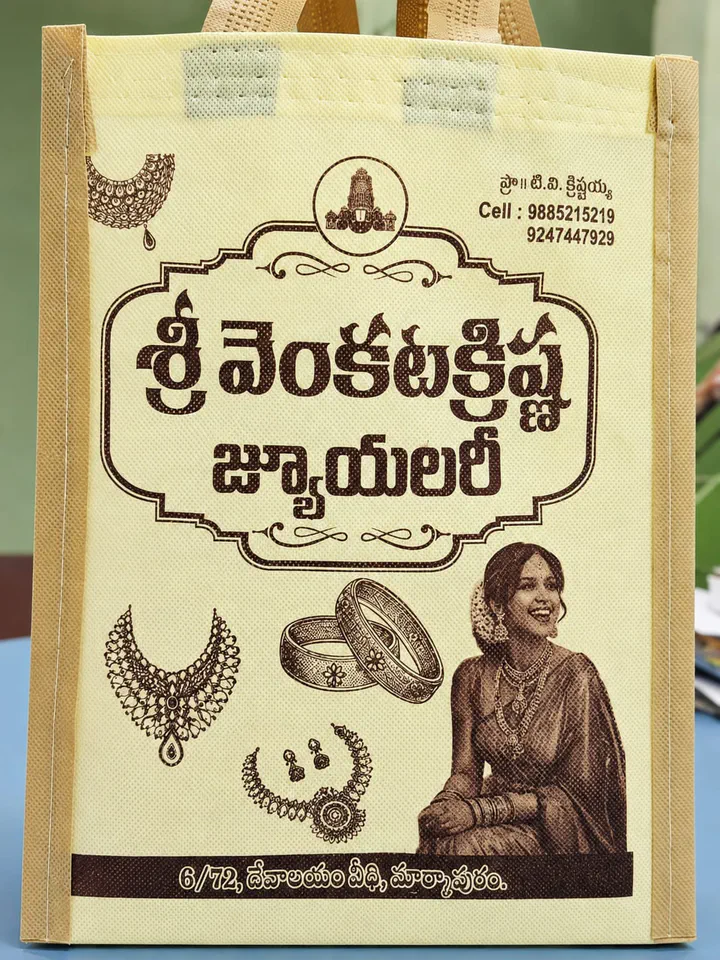
- Saree, silk and jewellery showrooms, wedding and gift orders: 110 GSM stitched bag with side panels. It holds a folded saree flat, stands on the counter and gets reused for months — which keeps your name in front of people long after the sale.
GSM is not the only thing that decides strength. A stitched handle carries more than a punched D-cut handle at the same GSM, and a side panel spreads the load. If your goods are heavy, tell us what goes in the bag and we will suggest the combination.
How to check a bag’s GSM yourself
You do not need a lab. With a kitchen or jewellery scale that reads to 0.01 g:
- Cut a square exactly 10 cm × 10 cm from a single layer of the bag.
- Weigh it in grams.
- Multiply by 100. That is the GSM.
A square weighing 0.80 g is 80 GSM; 0.60 g is 60 GSM. Cut from a plain area if you can, because heavy print adds a little weight. If a bag sold to you as 80 GSM weighs 0.55 g, it is not 80 GSM.
Common questions
Is higher GSM always better? No — it is better for heavy goods and long reuse, but a 110 GSM bag for a single packet of sweets is money spent on fabric your customer does not need. Match the weight to what goes in the bag.
Is 60 GSM legal? Yes. 60 GSM is the legal minimum for non woven carry bags in India, so 60 GSM and above is allowed.
Do 80 and 110 GSM bags cost more per kg? Not necessarily — the rate per kg depends more on the bag type than the GSM. In our price list, 60 GSM U-cut bags are ₹260–₹280 per kg and 80 GSM D-cut bags ₹245–₹266. But a heavier bag uses more fabric, so its cost per bag is higher.
Can I get a D-cut bag in 110 GSM? Our D-cut and handle bags are made in 80 GSM, and our stitched and digital bags in 110 GSM. Ask us if you need a different weight for a large order.
Get a quote
Tell us what you sell and roughly how many bags you need on WhatsApp, and we will suggest a bag and GSM and send a rate the same day. You can also read how printing with your shop name works, or browse the full catalog.